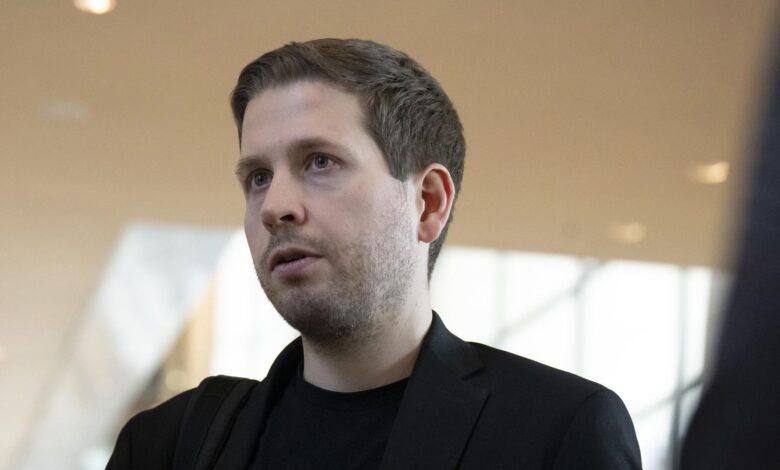
The topic kevin kühnert rolling stone has sparked quite a bit of interest lately, especially among those who follow German politics and media with keen eyes. What started as a surprising career pivot for a well-known politician has turned into an intriguing chapter of reinvention, blending sharp political insight with cultural commentary. In this in-depth article, we’ll explore how Kevin Kühnert, once a prominent figure in the SPD (Social Democratic Party of Germany), stepped away from frontline politics only to find a fresh platform at Rolling Stone—the iconic music and culture magazine that’s long been a staple for thoughtful, edgy takes on society.
This move isn’t just a job switch; it’s a testament to adaptability in a fast-changing world. Let’s dive right in and unpack the story step by step.
Who Is Kevin Kühnert? A Quick Look at His Political Journey
Kevin Kühnert, born in 1989 in Berlin, grew up in a divided city that shaped his views on equality and social justice. He joined the SPD at just 16, showing early on that he wasn’t afraid to commit to causes bigger than himself. By his mid-20s, he’d risen to lead the Jusos—the youth wing of the SPD—where he earned a reputation as a bold, left-leaning voice.
Back in 2018, many folks remember him as the young “rebel” who nearly derailed a grand coalition with Angela Merkel’s CDU. Wearing hoodies and speaking plainly, he rallied party members against what he saw as compromises that drifted too far from socialist roots. It was a moment that put him on the national map, earning nicknames like “Baby Face” from the tabloids—though anyone who’s followed his career knows there’s real substance behind that youthful look.
Over the years, Kühnert climbed higher: he became a Bundestag member representing Berlin-Tempelhof-Schöneberg, served on the SPD executive, and eventually took on the role of party general secretary. In that position, he worked tirelessly to bridge generational gaps and push progressive policies. Yet, by late 2024, after intense years in the spotlight, he announced his immediate resignation as general secretary and a full withdrawal from active politics at the end of the legislative period. It was a bold, honest step—admitting that the grind had taken its toll.
The Surprising Shift: From Bundestag to Byline
Imagine stepping away from one of Germany’s most demanding political roles, only to pop up as a writer for Rolling Stone. That’s exactly what happened with kevin kühnert rolling stone. In October 2025, the German edition of the magazine—known for its deep dives into music, culture, and yes, politics—announced Kühnert as a new columnist and author.
This wasn’t some fleeting guest spot. Kühnert now contributes regularly, every two weeks, through his column titled “Teilnehmende Beobachtung” (Participatory Observation). It’s a clever name, hinting at his insider-outsider perspective: he’s no longer in the arena, but he’s still watching closely, reflecting thoughtfully, and sharing what he sees.
Why Rolling Stone? Well, the magazine has always mixed rock ‘n’ roll energy with serious societal critique. From its American roots covering counterculture to its German branch tackling modern issues, it offers space for nuanced essays that don’t fit neatly into traditional news outlets. For Kühnert, it’s a chance to write freely—without party whips or election pressures—about politics, culture, and the quirks of public life.
Launching the Column: That First Piece on Markus Söder
Right out of the gate, Kühnert’s debut column grabbed attention. He zeroed in on Bavaria’s Minister-President Markus Söder, dissecting one of those classic photo ops where Söder turned a simple sausage platter into a media spectacle. With his trademark wit, Kühnert described how the former TV producer manages to spin everyday moments into high-stakes political theater. It was sharp, humorous, and revealing—showing readers that even after leaving politics, Kühnert hasn’t lost his knack for spotting hypocrisy or showmanship.
That piece set the tone: insightful, a bit irreverent, but always grounded in observation rather than cheap shots. Readers appreciated the freshness—it felt like eavesdropping on a smart conversation over coffee.
What Makes His Writing Stand Out at Rolling Stone
Kühnert’s contributions aren’t just recycled political rants. He brings a unique lens, blending personal reflection with broader commentary. For instance:
- Cultural-political crossovers: He ties current events to pop culture, like analyzing Netflix series through a political prism or musing on how public transport noise mirrors societal tensions (one column even suggested mandatory headphones on buses and trains—practical yet provocative!).
- Critique of power structures: In pieces like his take on plutocracy edging out democracy, he warns about antidemocratic trends that have shifted from fringe ideas to mainstream practice.
- Humor and humanity: He doesn’t shy away from idioms or colloquial touches—calling out absurdities in a way that makes complex topics feel approachable.
It’s this mix that has made his column a highlight for Rolling Stone readers. He’s not preaching; he’s inviting you to think alongside him.
Broader Impact: Why This Move Matters for Media and Politics
In an era where trust in traditional politics is shaky, Kühnert’s transition offers a hopeful example. Politicians often vanish after stepping down, but here’s someone channeling experience into something constructive. His work at Rolling Stone bridges gaps—between left-leaning politics and cultural audiences, between insiders and everyday observers.
It’s optimistic, too: it shows that expertise gained in one field can thrive in another. Kühnert isn’t “retired” in the classic sense; he’s evolving. And let’s face it—who wouldn’t want more thoughtful voices in media that blend analysis with a touch of rock ‘n’ roll spirit?
Since starting, he’s expanded beyond the column. He’s even taken on advocacy roles, like lobbying for fairer financial policies through organizations pushing alternative economics. It all ties back to his core values: justice, transparency, and challenging the status quo.
Life After the Spotlight: Personal Reflections and Future Outlook
Stepping back from politics gave Kühnert breathing room. Openly gay and married, he now balances writing with personal life in Berlin—perhaps enjoying more time for hobbies like amateur soccer, which he loved in his younger days. His columns occasionally hint at this quieter perspective: observing society from the sidelines rather than directing the play.
Yet the optimism shines through. He seems energized by this new chapter, using his platform to highlight issues that matter—whether it’s wealth inequality, media spectacle, or cultural shifts. It’s a reminder that careers aren’t linear; sometimes, the best paths curve unexpectedly.
Kevin Kühnert Rolling Stone: Looking Ahead with Hope
All in all, kevin kühnert rolling stone represents more than a career move—it’s a story of resilience and reinvention. From fiery youth leader to party strategist, and now to thoughtful columnist, Kühnert keeps contributing in meaningful ways. His work encourages us to stay engaged, question power playfully, and never stop observing the world around us.
Who knows what comes next? More columns, perhaps a book, or even a return in some form—but for now, readers can look forward to his biweekly insights. In a divided landscape, voices like his remind us that dialogue, wit, and integrity still have a place. Here’s to more participatory observation—and to whatever creative turns lie ahead.
Fazit
Zusammenfassend lässt sich sagen: Der Schritt von Kevin Kühnert zu kevin kühnert rolling stone ist ein erfrischendes Beispiel dafür, wie man nach intensiven politischen Jahren neu anfangen kann. Mit scharfsinnigen, humorvollen und fundierten Beiträgen bereichert er das Magazin und gibt Lesern neue Perspektiven auf Politik und Kultur. Es ist ermutigend zu sehen, dass Erfahrung und Leidenschaft nicht verloren gehen, sondern in neuen Formen weiterwirken. Bleibt gespannt – Kühnert hat noch viel zu sagen.
FAQs
1. Warum hat Kevin Kühnert die Politik verlassen und ist zu Rolling Stone gegangen? Er trat 2024 als SPD-Generalsekretär zurück und zog sich aus dem aktiven Politikbetrieb zurück, um neue Wege zu gehen. Bei Rolling Stone fand er eine Plattform für freie, unabhängige Kommentare ohne Parteidruck.
2. Wie oft schreibt Kevin Kühnert für Rolling Stone? Alle zwei Wochen erscheint eine neue Folge seiner Kolumne „Teilnehmende Beobachtung“ auf rollingstone.de – regelmäßig und verlässlich.
3. Worüber schreibt er hauptsächlich in seinen Kolumnen? Er kommentiert politische Figuren, gesellschaftliche Trends, Popkultur und Alltagsbeobachtungen – oft mit einem Augenzwinkern, aber immer tiefgründig, z. B. über Markus Söder oder die Gefahren der Plutokratie.
4. Ist Kevin Kühnert noch politisch aktiv? Nicht mehr im engeren Sinne – er ist aus dem Bundestag und der SPD-Führung ausgeschieden. Allerdings engagiert er sich weiterhin thematisch, etwa als Lobbyist für alternative Finanzpolitik.
5. Wo kann man die Artikel von Kevin Kühnert bei Rolling Stone lesen? Am besten direkt auf der deutschen Rolling-Stone-Website unter rollingstone.de/author/kevin-kuehnert oder im Themenbereich zu ihm – viele Texte sind online frei zugänglich.