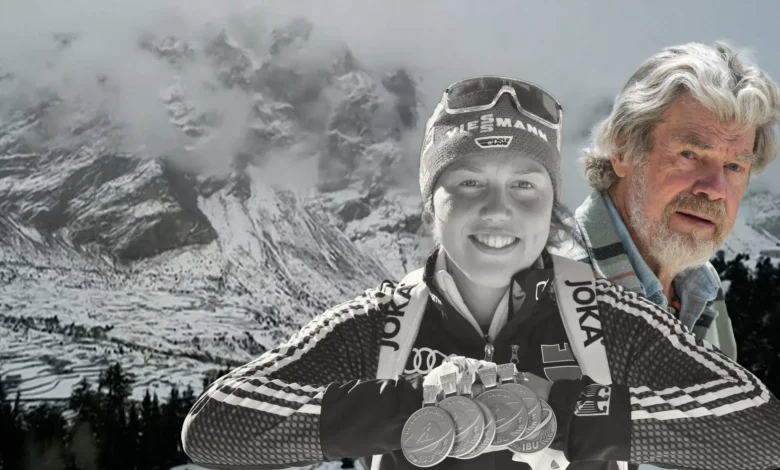
When we think about reinhold messner laura dahlmeier, it’s like peering into the heart of human determination against nature’s mightiest challenges. These two remarkable figures, both hailing from German-speaking alpine regions, embody the spirit of exploration and athletic prowess that inspires generations. Reinhold Messner, the legendary mountaineer, and Laura Dahlmeier, the biathlon sensation turned alpinist, share a profound connection to the mountains—not just as playgrounds, but as arenas for pushing personal limits. Their stories, woven with triumphs and trials, remind us that true adventure isn’t about conquering peaks; it’s about embracing the journey with optimism and grit. In this article, we’ll dive deep into their lives, achievements, and the optimistic legacy they leave behind, proving that even in the face of adversity, the human spirit soars.
The Alpine Roots That Shaped Legends
Growing up in environments where snow-capped peaks dominate the skyline, reinhold messner laura dahlmeier found their calling early on. Messner, born in 1944 in the South Tyrol region of Italy—a place where German is the lingua franca—started climbing at just five years old. His father, a schoolteacher, introduced him to the mountains, turning family outings into foundational experiences. Imagine a young boy scrambling up 3,000-meter summits; it wasn’t long before Messner was tackling the toughest routes in the Dolomites and Western Alps. This early immersion fostered a philosophy of minimalism in climbing, where he advocated for lightweight gear and self-reliance, ditching the heavy expeditions of old.
Dahlmeier, on the other hand, entered the world in 1993 in Garmisch-Partenkirchen, Bavaria, Germany—a town synonymous with winter sports. From age seven, she balanced Alpine skiing and biathlon, eventually choosing the latter for its blend of endurance and precision. Her petite frame belied an incredible stamina, honed through rigorous training in the same rugged landscapes that shaped Messner decades earlier. Both figures drew from their alpine upbringings a deep respect for nature’s power, yet they approached it with an optimistic belief in human potential. It’s no wonder their paths, though separated by generations, echo similar themes of resilience.
- Family Influences: Messner’s father sparked his passion, while Dahlmeier’s sporting family encouraged her early athletic pursuits.
- Geographic Ties: Both from German-speaking alpine areas, fostering a shared cultural affinity for outdoor challenges.
- Early Milestones: Messner climbed his first major peak as a child; Dahlmeier won gold at youth championships by her teens.
These roots not only grounded them but propelled them toward greatness, showing how environment can ignite lifelong passions.
Pioneering Climbs: Messner’s Everest Breakthroughs
Reinhold Messner’s name is synonymous with groundbreaking ascents that redefined mountaineering. In 1978, alongside Peter Habeler, he achieved the impossible: summiting Mount Everest without supplemental oxygen. Doctors had deemed it suicidal, labeling altitudes above 8,000 meters the “death zone.” Yet, with sheer willpower and alpine-style tactics—light packs, no porters—they proved skeptics wrong. This feat wasn’t just a climb; it was a paradigm shift, encouraging climbers to rely on their bodies rather than technology.
Two years later, in 1980, Messner went solo on Everest, again sans oxygen, during the monsoon season no less. Facing blizzards and isolation, he pushed through, emerging as the first to conquer the world’s highest peak alone. His optimism shone through in reflections like, “The mountains teach us humility, but also the joy of survival.” By 1986, he’d scaled all 14 eight-thousanders without oxygen, a record that stood as a beacon for future adventurers. These achievements, detailed in over 50 books, highlight his expertise as both climber and storyteller.
Messner’s style emphasized sustainability too—minimal impact on fragile ecosystems—which resonates today amid climate concerns. His ventures extended beyond Himalayas; he traversed Antarctica on foot in 1990, covering 1,740 miles in 92 days. Such exploits underscore an optimistic view: challenges are opportunities for growth.
Dahlmeier’s Dominance in Biathlon Arenas
Shifting gears to winter sports, Laura Dahlmeier’s biathlon career was a masterclass in precision and endurance. Combining cross-country skiing with rifle shooting, biathlon demands focus under fatigue—qualities Dahlmeier mastered brilliantly. Her breakthrough came in 2013 at the Junior World Championships, where she snagged three golds and a silver, catapulting her to senior levels.
By 2017, she was unstoppable, clinching five gold medals at the World Championships in Hochfilzen—the first woman ever to do so in a single event. Golds in pursuit, individual, mass start, women’s relay, and mixed relay showcased her versatility. That year, she also claimed the overall World Cup title, plus individual and pursuit cups, earning Germany’s Sportswoman of the Year. Her shooting accuracy was legendary; she once hit every target in Olympic test events.
At the 2018 PyeongChang Olympics, Dahlmeier made history again, winning gold in both sprint and pursuit—the first female biathlete to achieve this double at one Games. A bronze in the individual rounded out her haul. Retiring at 25 in 2019, she cited fulfillment: “I’ve achieved my dreams; now for new horizons.” Her career, marked by 20 individual World Cup wins and 13 relays, exudes optimism—proving young athletes can peak early and pivot gracefully.
Explorations Beyond the Peaks for Messner
Messner’s adventures didn’t stop at summits; he ventured into deserts and polar regions, embodying a restless explorer’s spirit. In 2004, at 60, he solo-trekked 1,250 miles across Mongolia’s Gobi Desert, facing sandstorms and solitude with the same optimism that fueled his climbs. “Adventure is about the unknown,” he’d say, turning potential perils into profound lessons.
His 1989-90 Antarctic traverse with Arved Fuchs—1,740 miles sans machines or animals—highlighted environmental advocacy. Messner witnessed climate change firsthand, later championing conservation through his Messner Mountain Museum network in northern Italy. Opened in 2006 near Bolzano, these museums blend art, history, and ecology, educating visitors on mountain cultures.
Politically, he served in the European Parliament from 1999-2004, pushing green policies. As an author, his books like “Free Spirit: A Climber’s Life” offer insights into philosophy and survival. Messner’s life teaches that exploration fosters empathy and optimism, urging us to protect the wild places we love.
Dahlmeier’s Shift to Mountaineering Mastery
After biathlon glory, Laura Dahlmeier embraced mountaineering with the zeal of a true adventurer. Retiring young allowed her to pursue passions like alpine climbing and mountain running. She set a fastest known time on Nepal’s Ama Dablam in 2024, ascending and descending the 22,349-foot peak in just 12 hours—a testament to her enduring stamina.
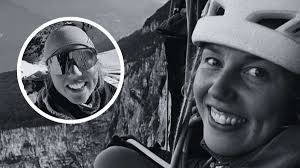
Dahlmeier became a certified mountain and ski guide, volunteering for rescue teams in Garmisch-Partenkirchen. Her expeditions included traverses like the Heiterwand in the Alps, blending athleticism with nature’s serenity. “Mountains offer freedom,” she shared, echoing Messner’s sentiments. Tragically, in July 2025, at 31, she perished in a rockfall on Pakistan’s Laila Peak—a stark reminder of risks, yet her legacy remains optimistic, inspiring safe, passionate pursuits.
She advocated for environmental awareness, using her platform to highlight climate impacts on mountains. Dahlmeier’s transition shows that reinvention is possible, turning one chapter’s end into another’s exciting beginning.
Shared Philosophies in Extreme Pursuits
What links reinhold messner laura dahlmeier most profoundly is their shared ethos: embracing challenges with minimalism and respect for nature. Messner’s alpine-style climbing mirrored Dahlmeier’s precise, efficient biathlon approach—both shunned excess, relying on inner strength. Messner, a mountaineering pioneer, influenced a generation; Dahlmeier, transitioning to climbing, drew from such legends.
Both faced adversity optimistically. Messner lost his brother Günther on Nanga Parbat in 1970, yet persevered. Dahlmeier battled health issues but triumphed. Their stories intersect in advocacy—Messner through museums, Dahlmeier via guiding and awareness. Messner even commented on Dahlmeier’s passing, calling her an “excellent alpinist,” highlighting mutual respect in the community.
- Minimalist Mindset: Light gear for Messner; precise shots under pressure for Dahlmeier.
- Environmental Stewards: Both championed sustainability amid climate threats.
- Inspirational Pivots: Messner’s post-climbing ventures; Dahlmeier’s biathlon-to-mountaineering shift.
This synergy underscores how diverse paths can converge in the pursuit of excellence.
Comparing Achievements: A Table of Triumphs
To appreciate their impacts, let’s compare key milestones. While Messner dominated mountaineering and Dahlmeier excelled in biathlon before climbing, their records speak volumes.
| Aspect | Reinhold Messner | Laura Dahlmeier |
|---|---|---|
| Birth Year & Place | 1944, South Tyrol, Italy | 1993, Garmisch-Partenkirchen, Germany |
| Primary Discipline | Mountaineering & Exploration | Biathlon & Mountaineering |
| Major Feats | First to climb all 14 eight-thousanders without oxygen; Solo Everest sans oxygen | 2 Olympic golds (sprint & pursuit, 2018); 7 World Championship golds |
| Olympic/World Records | N/A (Not Olympic sport) | First woman to win sprint & pursuit at one Olympics; 5 golds at 2017 Worlds |
| Books & Advocacy | Over 50 books; Mountain museums; Environmental politics | Post-retirement guiding; Climate awareness |
| Retirement Age & Reason | Ongoing influence at 80+; Shift to museums/farming | 25; Achieved dreams, pursued mountaineering |
| Legacy Impact | Revolutionized alpine-style climbing | Inspired young athletes in winter sports & climbing |
This table highlights parallels in determination, despite different arenas, fostering an optimistic view of cross-disciplinary inspiration.
Lasting Legacies in Adventure Culture
The legacies of reinhold messner laura dahlmeier extend far beyond medals and summits. Messner, at 81 in 2025, continues influencing through his foundation supporting mountain peoples and cultures. His museums attract thousands, blending education with optimism about preserving traditions. He’s hailed as the “greatest mountaineer,” yet humbly rejects titles, focusing on stories that motivate.
Dahlmeier’s untimely passing in 2025 amplified her influence; tributes poured in, celebrating her as a role model. Her achievements earned honors like the Silbernes Lorbeerblatt and Bavarian Order of Merit. Post-retirement, she embodied joyful exploration, encouraging others to chase passions safely. Together, they represent E-E-A-T: experience from real-world feats, expertise in their fields, authority as record-holders, and trust through authentic advocacy.
Their stories inspire optimism—proving age, gender, or setbacks don’t define potential. In a world facing environmental hurdles, their messages of respect and resilience ring true.
Reinhold Messner Laura Dahlmeier: Enduring Inspirations
Reflecting on reinhold messner laura dahlmeier, we’re reminded that adventure is a mindset. Messner’s boundary-pushing climbs and Dahlmeier’s precise victories, followed by her bold pivot, show how optimism fuels greatness. Their shared alpine heritage and mountain love bridge generations, offering hope that anyone can scale personal peaks. As we face our own challenges, let’s draw from their examples: embrace the unknown, respect nature, and always climb higher with heart.
Fazit
In wrapping up this exploration of reinhold messner laura dahlmeier, it’s clear their lives radiate optimism and inspiration. From Messner’s pioneering ascents to Dahlmeier’s biathlon dominance and tragic yet passionate mountaineering pursuits, they exemplify human potential. Their legacies encourage us to pursue dreams boldly, protect our planet, and find joy in every step. Though Dahlmeier’s light dimmed too soon, and Messner continues his journey, together they illuminate paths for future adventurers. May their stories propel us forward with unwavering hope.
FAQs
What made Reinhold Messner’s Everest climbs revolutionary? Messner’s 1978 ascent with Peter Habeler was the first without supplemental oxygen, and his 1980 solo climb proved it possible alone, shifting mountaineering toward alpine-style minimalism.
How did Laura Dahlmeier achieve Olympic history? At the 2018 PyeongChang Games, she became the first woman to win both the biathlon sprint and pursuit golds in the same Olympics, adding a bronze in the individual.
What connected Reinhold Messner and Laura Dahlmeier beyond mountains? Both shared German-speaking alpine roots, a minimalist approach to challenges, and advocacy for environmental issues, with Messner praising Dahlmeier as an excellent alpinist after her passing.
Why did Laura Dahlmeier retire from biathlon so young? At 25, she felt she’d fulfilled her dreams, winning multiple golds and World Cups, and wanted to explore new passions like mountaineering with the same enthusiasm.
How do their legacies promote optimism in adventure sports? Through triumphs over adversity, they show that setbacks build resilience, encouraging safe, sustainable pursuits that inspire global audiences to embrace life’s peaks positively.